Check bank statements, invoices and other documents for inconsistent amounts, dates and identifiers. Get findings linked to source evidence and clear next steps.
Examples without an account. Paid document checks; see the price before you start.
Choose the document check your workflow needs
Checking one file, reconciling several sources and integrating an API are different tasks. Choose the right workflow before submitting evidence or paying for a check.
Review one bank statement or invoice
Use a single-document check for readable fields, available file metadata and supported calculations within one PDF or document image. It flags inconsistencies to investigate; it does not authenticate the issuer.
Use Cross-check when the question depends on an invoice and a bank statement, or on several contracts and supporting files. This has a separate per-case tariff. A payment not found in the supplied statement is not proof of non-payment everywhere.
Submit one supported file with a company key through POST /v1/documents. Retrieve the completed job and its result.documentCheck: metadata, extracted fields, cited observations and supported checks, rather than an AI-writing score.
A useful review needs the statement period, readable transactions and the balances shown in the file. Prepare one complete document before starting the check.
Keep the full statement period
Use the original PDF where available, including pages with the opening balance, transactions and closing balance. A cropped screenshot can leave out entries needed to explain a difference.
Make amounts and references readable
Check that dates, debit and credit columns, currency and account references are legible. If the source is a photograph, keep the whole page in focus. Missing or unreadable information can leave a calculation unresolved.
Review the cited evidence
Check the extracted values against the source pages. A matching balance supports that calculation; it does not confirm the issuer. A discrepancy may require missing pages, corrected extraction or an explanation from the issuer.
These English-language fixtures demonstrate the recorded local balance rule, not a full file-analysis benchmark or a customer case. A matching balance does not prove authenticity.
Bank statement and invoice checks: concrete examples
Fictional examples of numerical discrepancies, with documented calculation checks. They are not customer cases, live API reports or proof of fraud.
A bank statement balance that does not reconcile
Calculated from supplied amounts
€1,150.00
Stated in the example
€1,200.00
Supplied document
Opening balance €1,000.00, a €250.00 credit and a €100.00 debit imply €1,150.00. The example states a closing balance of €1,200.00.
Finding to review
The stated closing balance is €50.00 above the amount calculated from the supplied entries.
What to do next
Check whether all pages and transactions are present, confirm debit and credit direction, then ask for a fresh statement from the issuer. A discrepancy alone does not establish alteration or fraud.
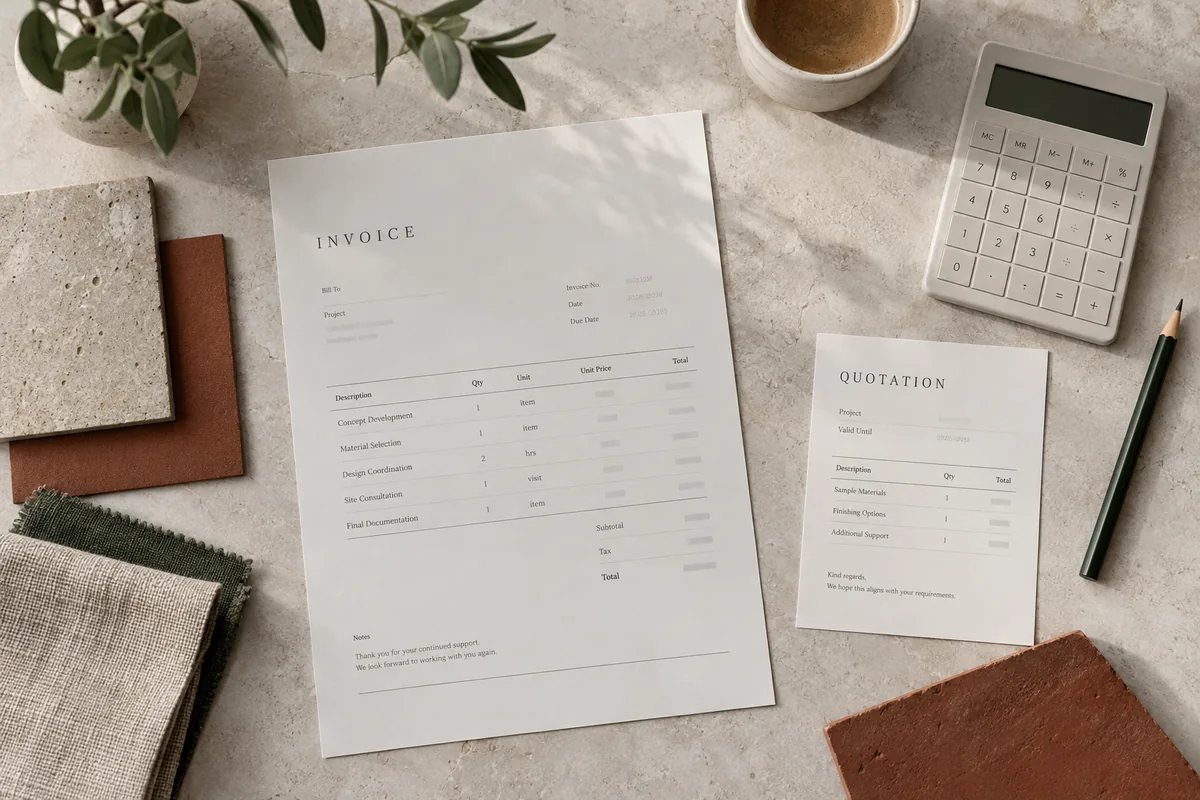
A subtotal of €350.00 plus €70.00 tax implies €420.00. The example states a total of €450.00.
Finding to review
The stated total is €30.00 above the sum of the supplied subtotal and tax.
What to do next
Check for a separately stated fee, discount or rounding adjustment and confirm that the readable amounts were extracted correctly. Request a corrected invoice or supporting explanation before making a decision.
Upload a PDF, JPEG, PNG or WebP. The service identifies the document type and applies relevant checks to the information it can read.
Bank statements
Read account details and transactions, compare repeated values and reconcile extracted opening and closing balances when the necessary entries are available.
Invoices, receipts and payment confirmations
Extract supplier and customer details, references, line items, taxes and totals. Recalculate supported amounts from the extracted values.
Income, employment and tax documents
Payslips, employment certificates, income statements and tax forms: names, organizations, periods, dates and applicable calculations.
Identity and civil documents
Passports, ID cards, driving licences, social security documents, birth and marriage certificates: readable fields, dates and machine-readable zone checks where present.
Contracts and company documents
Parties, company details, registration references, dates and repeated information within agreements, registration papers and supporting certificates.
Address and education documents
Utility bills and proof of address, diplomas, transcripts and education certificates: names, institutions, addresses, periods and repeated details.
What your document check includes
File metadata
Read available dates, creation software, PDF properties and image metadata directly from the uploaded file.
Document contents
Extract text and fields from readable pages, with the page number and a short source excerpt for each observation.
Consistency and calculations
Check supported totals, dates, repeated identifiers, IBAN and machine-readable zone checksums. Unreadable or missing evidence remains explicit.
For lending, insurance claims, supplier onboarding and document review within KYC and KYB workflows.
Register or sign in with your company account. For integration, create a company API key; for browser checks, open the document workspace without building an API integration.
Confirm billing and the file
Connect company billing, inspect the displayed price and limits, and supply one readable PDF or document image. Keep all relevant pages together; personal credits are separate from company usage.
Review the result before deciding
Check the extracted values against each cited page and read any unavailable checks. Download the saved PDF, JSON or text without rerunning analysis. Team reports are available for 7 days, so export what your policy requires before expiry.
API sandbox examples return fixed fixtures for technical integration testing; they do not analyse customer files. Real-file processing requires company billing. A report supports review, not a fraud verdict or identity certification.
Use Node.js and curl on your server, a company workspace with active billing and a Live key with jobs:create and jobs:read. Save the key in DEEPFAKEPOLICY_API_KEY. For this example, place a fictional sample-statement.pdf in the current directory. Document checks run in Live mode and are billed on completion.
Submit the PDF
Save the idempotency key before submitting. If the response is lost, repeat the request with the same key, file, document type and locale. Generate a new key for a new check.
Check one document and receive its file metadata, extracted fields, consistency checks and downloadable PDF, JSON and text reports.
One file per check. The workspace shows the charge in your billing currency and file limits before submission. Failed processing is not charged. Downloading a recorded report does not start another check.
Cross-check compares supplied documents, photos and descriptions. Match invoice references to bank statement entries, compare contract details or review a receipt alongside product photos, with findings tied to the source evidence.
It reads available file metadata and readable statement fields, then checks supported dates, repeated identifiers and calculations. When opening and closing balances and the necessary transactions are available, it can check whether the supplied amounts reconcile. Each finding points to the source evidence.
Can a fake bank statement detector prove that a statement is genuine?
No. Correct totals and consistent metadata do not prove that a bank issued a statement. A mismatch can also come from missing pages or an extraction error. Review the cited values and, when issuer confirmation matters, request a fresh statement through an independently verified channel.
Can I check whether an invoice has been paid?
A single-document check can review the invoice’s readable fields and supported totals. To compare it with payments, use Cross-check with the invoice and the relevant bank statement. A payment not found in the supplied statement is not proof that no payment was made elsewhere.
What is document fraud detection?
It is the examination of documents for evidence that may warrant investigation. Our check reads available file metadata and document fields, then applies consistency and calculation rules. The report shows the supporting evidence and which checks could not be completed.
Does this include identity documents?
Yes. Passports, ID cards, driving licences and civil certificates are included. The check reads available fields, compares dates and evaluates machine-readable zone checksums where present. It does not identify the holder or query issuer records.
Does document checking cover KYC and AML?
Document review can support KYC and KYB workflows. Identity verification, sanctions and PEP screening, AML transaction monitoring and compliance decisions require their own checks.
How much does document fraud detection cost?
A completed check costs €1.50 per document when billed in euros. The workspace shows the charge in your billing currency before submission. Failed processing is not charged, and downloading a saved report does not trigger another analysis.
Can I integrate a bank statement or invoice checker through the API?
Yes. Create a company workspace and API key, connect company billing, then submit a supported file to POST /v1/documents. Follow the job to completion and read result.documentCheck. Test the request flow with fixed sandbox fixtures first; those responses do not evaluate your own files.
Can my team keep and export the document report?
The saved company report is available for 7 days. Download PDF, JSON or text during that period without starting another check. Your team should review cited values and any unreadable or missing evidence before making its own decision.
Which document types are supported?
Bank statements, invoices, receipts, payment confirmations, payslips, employment and tax records, utility bills, passports, identity cards, driving licences, social security documents, birth and marriage certificates, education documents, company documents and contracts. The checks available depend on readable fields and evidence.
Can AI-generated documents and edited PDFs be checked?
You can submit digitally created or edited PDFs and document images. The analysis looks at available metadata and the consistency of their contents. It does not assign an AI-generation probability or guarantee that a document is genuine or fraudulent.
Check your first document
Open your company workspace, choose a document and see the price before starting. Reports are available to your team for 7 days.